Wednesday, April 24, 2024
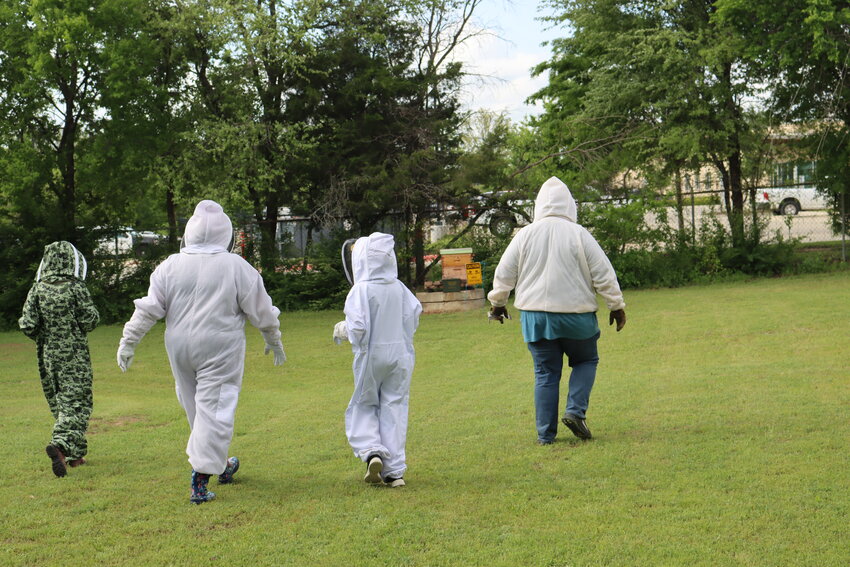
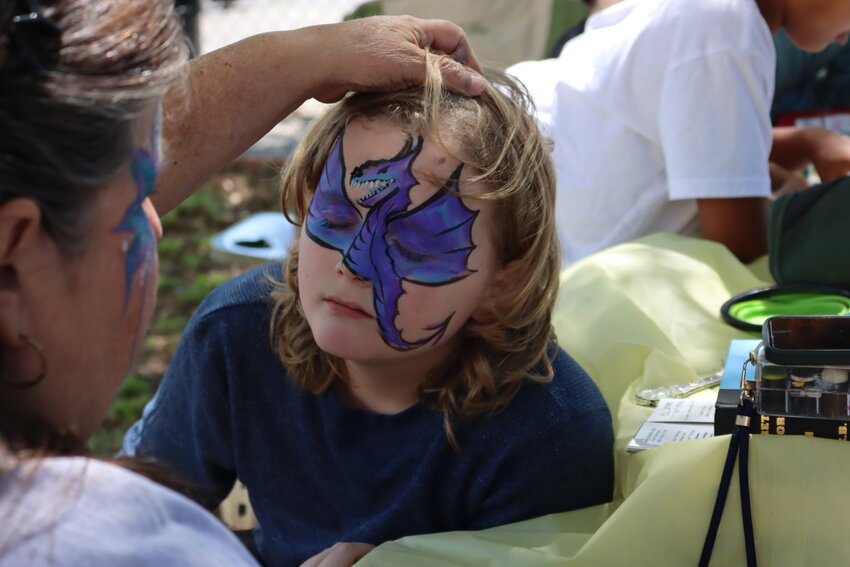
AZLE — Two bee or not two bee? That was the question posed by Azle 4-H members during a recent Saturday meeting. After a full hive inspection by four brave volunteers, the group discovered …
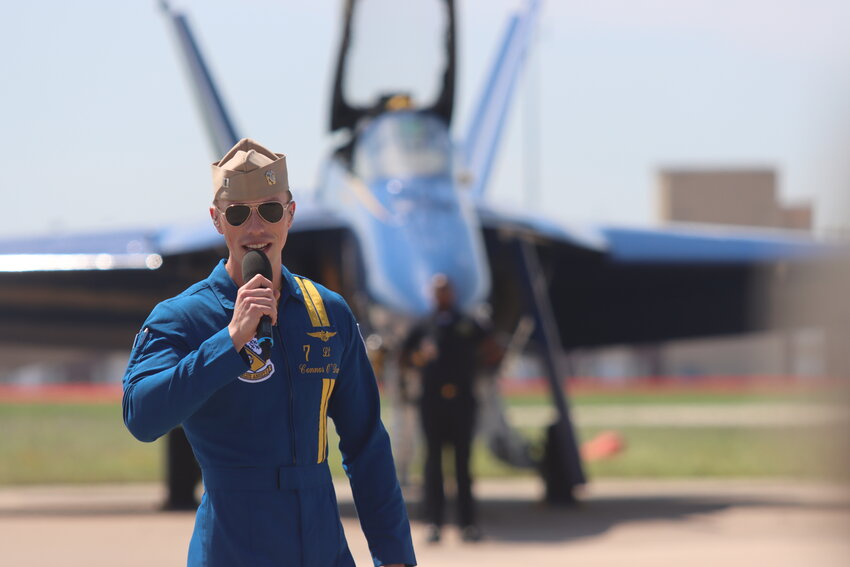
For the first time in eight years, the Navy’s famed Blue Angels graced the skies over the Azle-Lake Worth area. The 2024 Wings Over Cowtown Airshow was held April 13-4 at the nearby Naval Air …
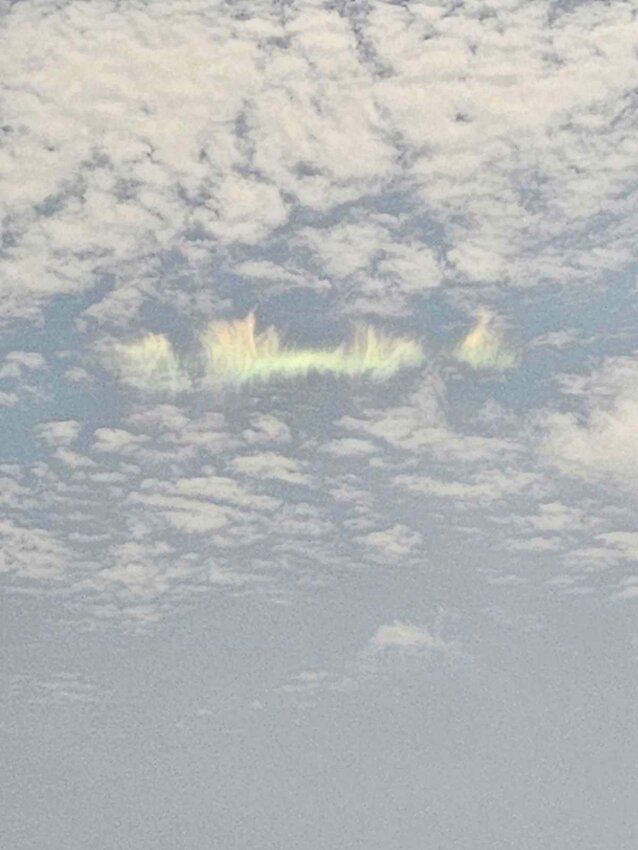
The total solar eclipse of 2024 time lapse
Really cool time lapse of today's total solar eclipse shot from Abe's Landing in northern Hood County! The solar eclipse occurred over Texas beginning with a partial eclipse at 12:23 p.m. and …
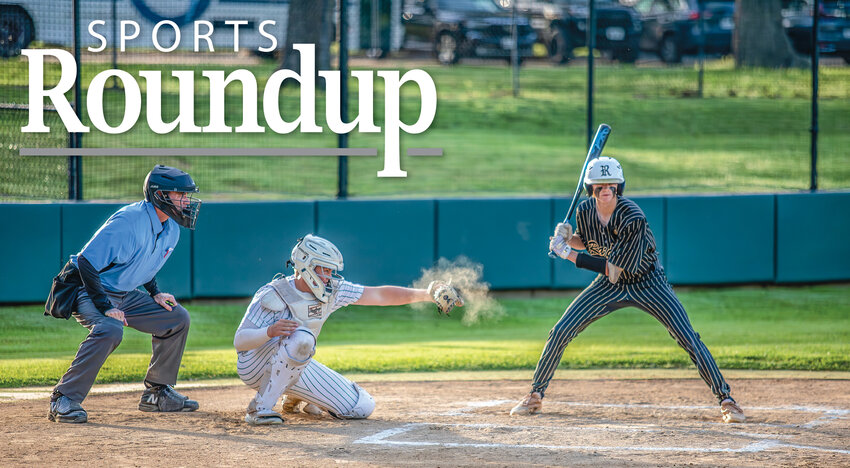
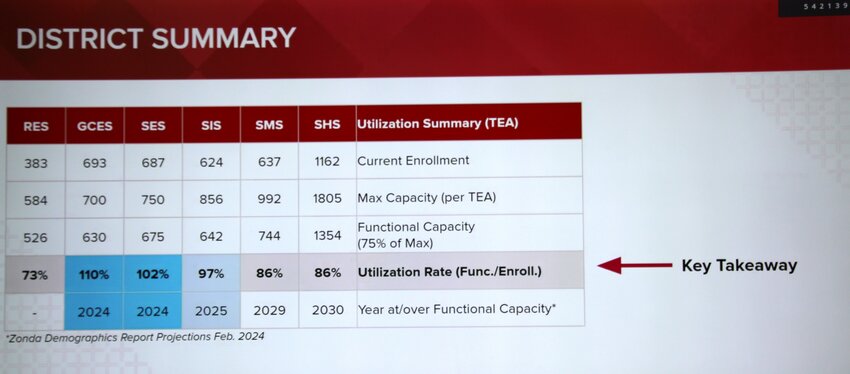
SPRINGTOWN — Goshen Creek Elementary School and Springtown Elementary School have surpassed functional capacity, and Springtown Intermediate School is nearing capacity, according to a report …

SPRINGTOWN — Someday, Springtown High School senior Shelby Davis hopes to open her own restaurant and give people a taste of her take on comfort foods, like pasta and “stuff that your mom …
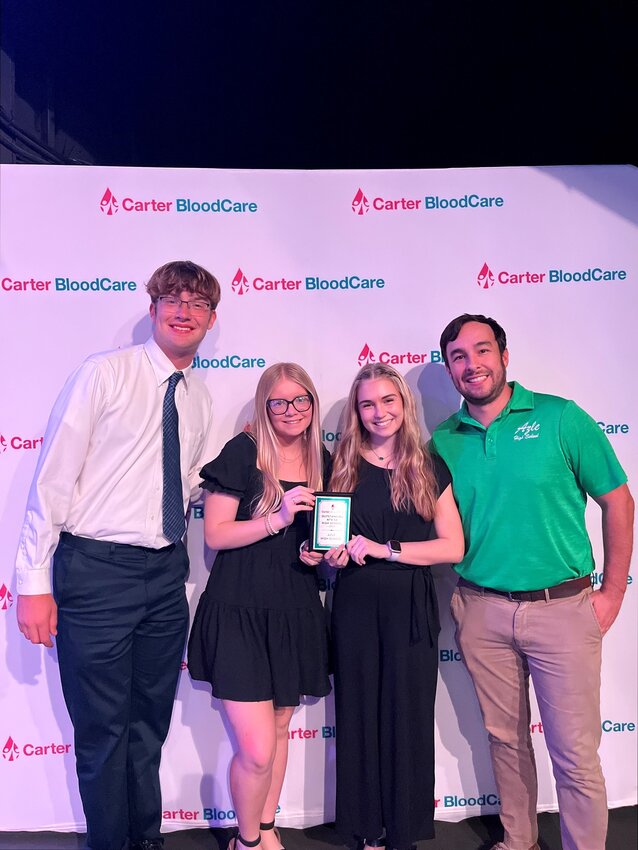
AZLE — Azle High School has been recognized by Carter BloodCare as the number one 5A High School in North Texas for 2023 blood donations. This award is for the total number of units collected …
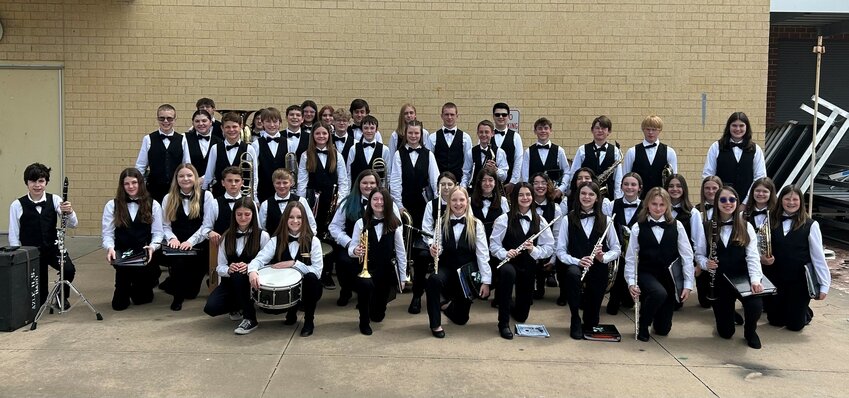
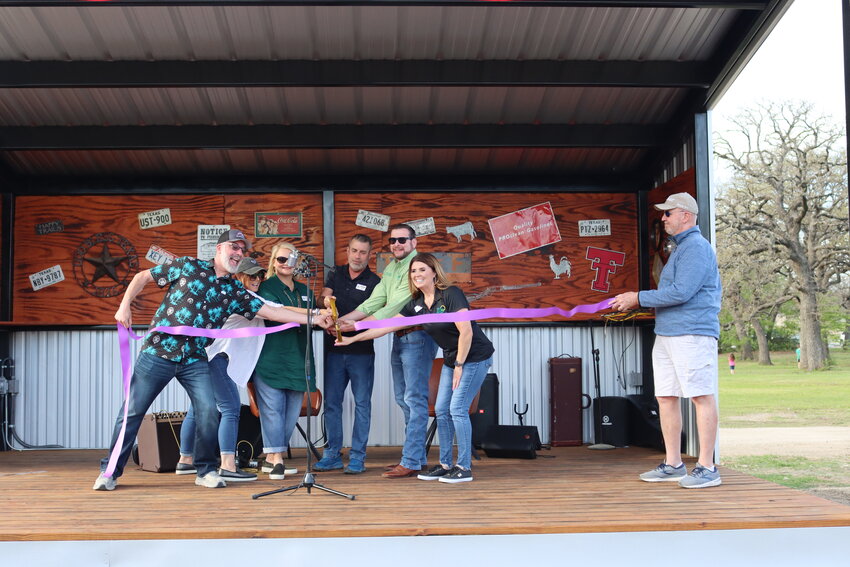
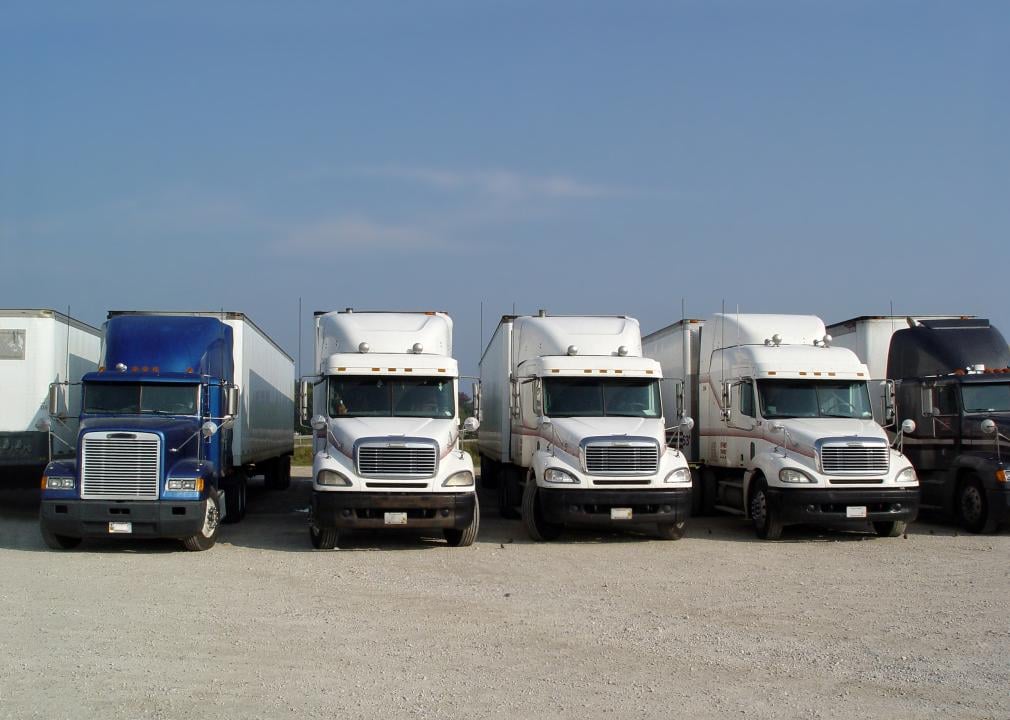
AZLE — After a last-minute push Wednesday, Azle’s new food truck park, The FeedLot, is open for business. During its debut Friday, the site ran out of parking before its 5 p.m. …

AZLE — Three Azle City Council positions are up for election May 4. Incumbents Rouel Rothenberger Jr. in Place 5 and Derrick Nelson of Place 1 are each running unopposed while Place 2 council …

AZLE — With Azle ISD board of trustees member Ray Lea retiring, two candidates are vying for the Place 4 seat Lea is vacating. Place 4 is the only contested seat on the board in the May 4 …

For the very first time, Tarrant County voters will have the opportunity to elect directors to three newly created seats in the Tarrant Appraisal District. Tax appraisal districts set the taxable …
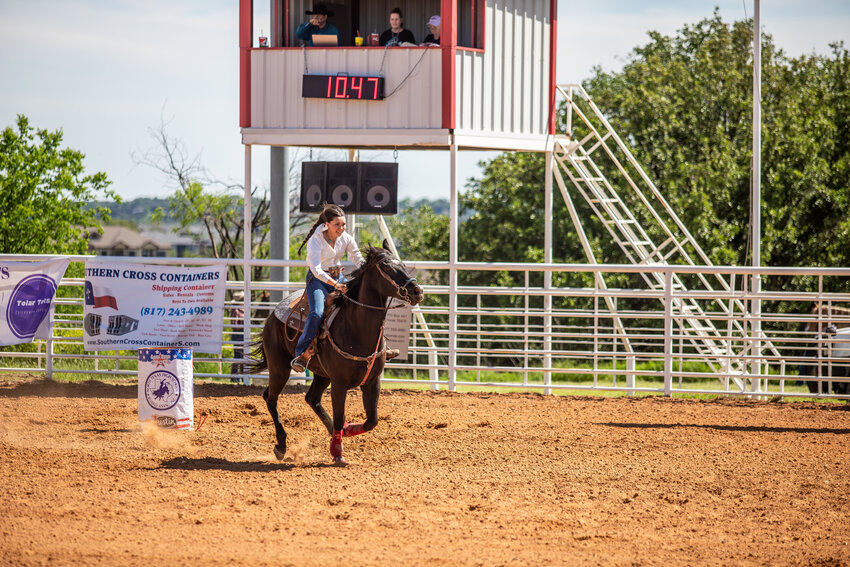
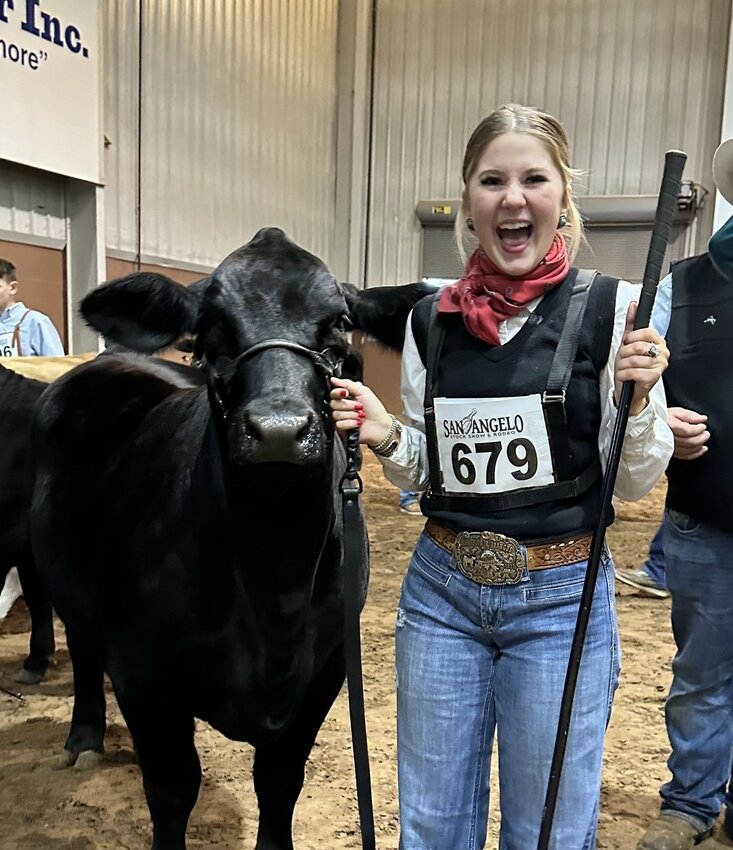
Athletes from both Azle and Springtown competed in the Tolar High School Rodeo at the Hood County Reunion Grounds.
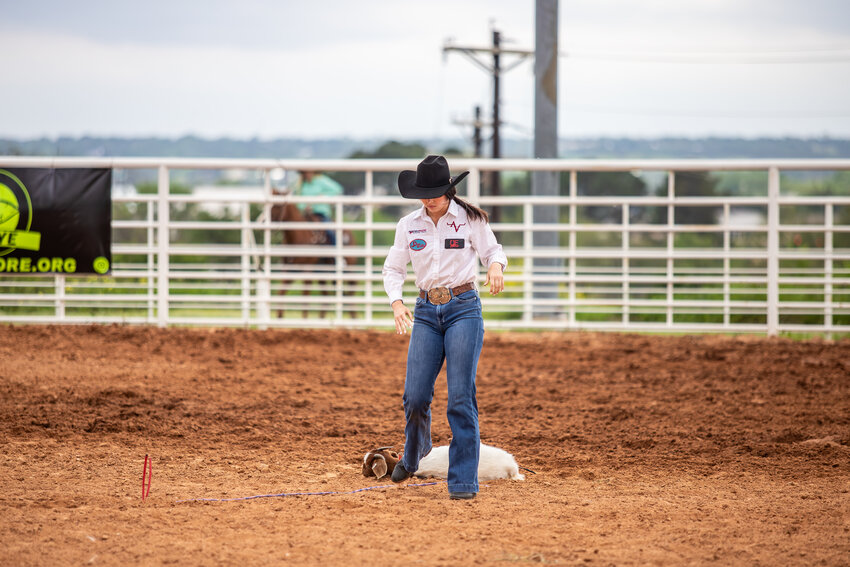
Athletes from both Azle and Springtown competed in the Tolar High School Rodeo at the Hood County Reunion Grounds.